
Instruction manuals‚ training guides‚ service documentation‚ and operational procedures are vital communication tools‚ ensuring users can effectively and safely utilize products or systems.
These resources bridge the gap between complex functionality and user understanding‚ fostering positive experiences and minimizing potential issues. A well-crafted manual prioritizes simplicity.
Adhering to standards like ISO/IEC 26514—accuracy‚ completeness‚ clarity‚ conciseness‚ and usability—is paramount for creating truly effective documentation.
Organizational policies also fall under this umbrella‚ guiding internal processes and ensuring consistent application of procedures across the board.
The Importance of Clear Instructions
Clear instructions are the cornerstone of a positive user experience‚ directly impacting product adoption‚ customer satisfaction‚ and brand reputation. Ambiguous or poorly written instructions lead to frustration‚ errors‚ and potentially even safety hazards.
A manual that confuses rather than clarifies defeats its purpose; simplicity and plain language are essential. Mastering these aspects produces the best user experience‚ making processes easier to understand.
Effective instructions minimize support requests‚ reduce product returns‚ and empower users to confidently operate equipment or software. They foster independence and build trust in the product and the company providing it.
Furthermore‚ clear documentation demonstrates a commitment to user success‚ enhancing brand loyalty and driving positive word-of-mouth referrals. Prioritizing clarity isn’t merely about avoiding confusion; it’s about respecting the user’s time and intelligence.
Ultimately‚ well-defined instructions translate into tangible business benefits.
Types of Instruction Manuals
Instruction manuals represent a diverse range of documentation tailored to specific needs. A standard instruction manual guides users through product operation‚ while a training manual focuses on skill development and knowledge transfer for specific tasks.
Service manuals are geared towards technicians‚ detailing repair procedures and component specifications. Conversely‚ an operation manual outlines procedures for running and maintaining complex systems‚ often found in industrial settings.
Beyond these‚ organizational policies serve as internal instruction sets‚ ensuring consistent procedures and compliance. Each type differs in scope and audience‚ demanding a customized approach to content and presentation.
An engineering manual‚ for example‚ will differ significantly from an IKEA instruction booklet in terms of technical depth and visual complexity. Understanding these distinctions is crucial for creating documentation that effectively serves its intended purpose and user base.
Instruction Manual
The core instruction manual serves as a user’s primary guide to a product’s functionality. It details everything from initial setup and basic operation to advanced features and troubleshooting steps. Accuracy and completeness are paramount; the manual must reflect the product’s capabilities precisely.
Effective instruction manuals prioritize clarity and conciseness‚ employing plain language principles to avoid jargon and technical complexities. A logical information hierarchy is essential‚ guiding users through the process in a step-by-step manner. Visual aids‚ like images and diagrams‚ significantly enhance understanding.
These manuals often incorporate variables and cross-references to streamline information and reduce redundancy. Ultimately‚ a well-designed instruction manual empowers users to confidently and safely utilize a product‚ maximizing its value and minimizing frustration.
Training Manual
A training manual differs from a standard instruction manual by focusing on skill development and comprehensive understanding. While an instruction manual tells how to use something‚ a training manual explains why and provides in-depth knowledge. These manuals are often used in educational settings or for onboarding new employees.
They typically include exercises‚ assessments‚ and detailed explanations of underlying principles. Effective training manuals build upon foundational knowledge‚ progressively introducing more complex concepts. They often incorporate real-world scenarios and case studies to enhance learning.
Unlike a quick-start guide‚ a training manual aims for mastery. It’s designed to equip individuals with the expertise needed to perform tasks competently and confidently‚ going beyond basic operational procedures.
Service Manual
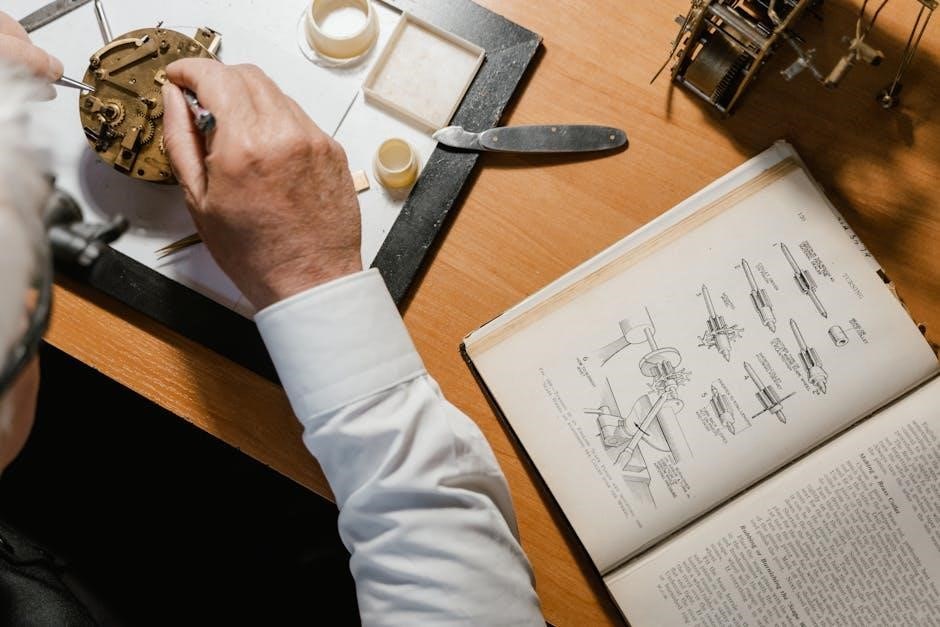
A service manual is a highly technical document intended for qualified technicians and personnel responsible for repairing and maintaining complex equipment. Unlike user-facing instruction manuals‚ service manuals delve into intricate details of a product’s internal workings‚ including schematics‚ diagnostic procedures‚ and parts lists.
These manuals provide step-by-step instructions for disassembly‚ repair‚ and reassembly‚ often accompanied by detailed diagrams and specifications. They assume a high level of technical expertise and are not designed for general users. Safety precautions are critically important within service manuals‚ given the potential hazards involved in complex repairs.
Service manuals are essential for ensuring proper maintenance‚ troubleshooting issues‚ and extending the lifespan of equipment‚ requiring specialized knowledge and tools.
Operation Manual
An operation manual‚ often used interchangeably with an instruction manual‚ focuses on the day-to-day use of a product or system. It guides users through the correct procedures for operating the equipment safely and efficiently‚ covering everything from initial setup to routine tasks and basic troubleshooting.
These manuals prioritize clarity and conciseness‚ employing plain language principles to ensure accessibility for a broad audience. Visual aids‚ such as images and diagrams‚ are frequently incorporated to enhance understanding. Operation manuals typically include sections on safety precautions‚ operating instructions‚ and basic maintenance procedures.
The goal is to empower users to confidently operate the product without risking damage or injury‚ ensuring a positive user experience.
Organizational Policy
Organizational policies‚ while often perceived differently than traditional instruction manuals‚ function as a specific type of documented guidance. They outline internal rules‚ procedures‚ and expectations for employees‚ ensuring consistent operations and adherence to company standards. These documents detail how things should be done within the organization‚ covering areas like safety‚ security‚ and ethical conduct.
Effective organizational policies are clear‚ concise‚ and readily accessible to all relevant personnel. They often incorporate cross-references to other internal documents and may include training materials to facilitate understanding. While not focused on product operation‚ they are crucial for maintaining a structured and compliant work environment.
They are a vital component of internal documentation‚ promoting efficiency and minimizing risk.

Planning Your Instruction Manual
Careful planning involves understanding your audience‚ mapping the process logically‚ and selecting the appropriate format for optimal clarity and user experience.
Understanding Your Target Audience
Defining your audience is the foundational step in crafting an effective instruction manual. Consider their existing knowledge‚ technical expertise‚ and familiarity with similar products. Are they novices‚ experienced users‚ or somewhere in between?
This understanding dictates the level of detail‚ terminology‚ and complexity you employ. Avoid jargon or overly technical language if your audience is primarily non-technical. Conversely‚ don’t oversimplify for experienced users‚ as it can be perceived as condescending.
Think about their likely goals and motivations for using the product. What tasks will they be attempting to accomplish? Tailor the manual to address those specific needs.
Furthermore‚ consider demographic factors like age‚ language proficiency‚ and cultural background‚ as these can influence comprehension. A user-centered approach‚ prioritizing their needs and perspectives‚ will result in a more successful and user-friendly manual.
Mapping Out the Process
Before writing‚ meticulously map out the entire process the user will follow‚ from initial setup to advanced operations. Break down complex tasks into smaller‚ manageable steps. Visualize the workflow – consider flowcharts or diagrams to illustrate the sequence of actions.
Identify potential pain points or areas where users might encounter difficulties. Anticipate questions they might have and proactively address them in the manual. Ensure each step is logically connected to the next‚ creating a seamless and intuitive experience.
This process mapping isn’t just about listing steps; it’s about understanding the user’s journey.
A well-defined process map serves as the blueprint for your manual‚ guaranteeing a logical information hierarchy and preventing confusion. It ensures completeness and accuracy‚ leading to a more effective and user-friendly guide.
Choosing the Right Format
Selecting the appropriate format is crucial for maximizing usability. Consider your target audience and the complexity of the product. Digital formats – like PDFs‚ online help systems‚ or interactive guides – offer advantages such as searchability‚ multimedia integration‚ and easy updates.
However‚ a printed manual might be preferable for users with limited digital access or for tasks requiring frequent reference in environments where devices are impractical.
Think about the visual layout; a clean‚ uncluttered design enhances readability.
Styles‚ rather than manual formatting‚ ensure consistency. The format should complement the content‚ not distract from it. Ultimately‚ the best format is the one that delivers information most effectively to your specific users.

Writing the Instruction Manual
Prioritize accuracy‚ completeness‚ clarity‚ and conciseness; plain language and a logical hierarchy are essential for a positive user experience and easy understanding.
Accuracy and Completeness
Ensuring accuracy and completeness within an instruction manual is absolutely fundamental to its effectiveness and user safety. Every step‚ specification‚ and warning must be meticulously verified and presented without ambiguity. Inaccurate information can lead to product damage‚ user injury‚ or simply frustration‚ eroding trust in the product and the company.

Completeness extends beyond simply including all steps; it means anticipating potential user questions and addressing them proactively. This includes providing sufficient context‚ defining technical terms‚ and offering troubleshooting guidance for common issues. Referencing the ISO/IEC 26514 standard reinforces the need for thoroughness.

Furthermore‚ documentation should reflect the latest product revisions and updates. Regularly reviewing and revising the manual is crucial to maintain its accuracy and relevance‚ preventing outdated information from causing confusion or errors. A comprehensive approach to accuracy and completeness builds confidence and empowers users.
Clarity and Conciseness
Clarity and conciseness are cornerstones of effective instruction manuals‚ directly impacting user comprehension and satisfaction. Avoid jargon‚ complex sentence structures‚ and overly technical language. Employ plain language principles‚ prioritizing simple‚ direct phrasing that is easily understood by the target audience. Remember‚ a good manual never confuses the user.
Conciseness doesn’t mean sacrificing essential details; it means presenting information efficiently. Eliminate redundant phrases‚ unnecessary explanations‚ and extraneous details. Focus on conveying the necessary information in the fewest possible words‚ respecting the user’s time and attention.
A logical flow and well-defined structure further enhance clarity. Break down complex tasks into smaller‚ manageable steps‚ and use headings and subheadings to guide the user through the process. Mastering these aspects produces the best user experience.
Plain Language Principles
Plain language principles are fundamental to creating accessible and user-friendly instruction manuals. This approach prioritizes simplicity‚ aiming for clarity over complexity. Use active voice whenever possible‚ as it’s more direct and easier to understand than passive voice. Short sentences and paragraphs improve readability‚ preventing cognitive overload.
Define any technical terms or specialized vocabulary the first time they appear‚ creating a glossary if necessary. Avoid ambiguity by using precise language and concrete examples. Focus on “you” and “the user” to create a direct and engaging tone.
Remember‚ the goal is to empower users to successfully complete tasks‚ not to demonstrate technical expertise. Adhering to these principles ensures the manual is inclusive and effective for a broad audience.
Logical Information Hierarchy
A logical information hierarchy is crucial for an effective instruction manual. Structure content to guide users seamlessly through the process‚ starting with foundational concepts and progressing to more complex steps. Employ a clear and consistent organizational pattern‚ such as chronological order or task-based groupings.
Utilize headings‚ subheadings‚ and bullet points to break down information into digestible chunks. Prioritize information based on importance‚ placing essential details prominently. Cross-references should link related sections‚ enabling users to easily navigate the manual.
Ensure a natural flow of information‚ avoiding abrupt transitions or logical gaps. A well-defined hierarchy minimizes confusion and maximizes user comprehension‚ ultimately enhancing the overall user experience.
Using Visual Aids
Effective instruction manuals heavily leverage visual aids to enhance understanding and clarity. Images and diagrams can illustrate complex steps or product features far more effectively than text alone. Videos and animations are particularly useful for demonstrating dynamic processes or intricate assemblies;
Visuals should be high-quality‚ relevant‚ and clearly labeled. Integrate them strategically within the text‚ ensuring they complement and reinforce the written instructions. Avoid cluttering the manual with unnecessary visuals; each aid should serve a specific purpose.

Consider using callouts and annotations to highlight key components or steps within the visuals. Properly implemented visual aids significantly improve user comprehension and reduce the likelihood of errors.
Images and Diagrams
Images and diagrams are foundational elements of a successful instruction manual‚ translating abstract concepts into easily digestible visuals. High-resolution photographs showcasing product details‚ assembly steps‚ or component placement are invaluable. Diagrams‚ like exploded views or schematics‚ excel at illustrating internal mechanisms and relationships.
Ensure all visuals are clearly labeled with concise captions and callouts identifying key parts. Maintain consistency in style and perspective throughout the manual. Prioritize clarity over artistic flair; the primary goal is to facilitate understanding.
Consider using numbered steps within diagrams to correspond with written instructions. Properly integrated images and diagrams dramatically reduce ambiguity and empower users to confidently follow the manual’s guidance.
Videos and Animations
Videos and animations elevate instruction manuals beyond static text and images‚ offering dynamic demonstrations of complex procedures. Short‚ focused videos showcasing assembly‚ operation‚ or troubleshooting steps can significantly enhance user comprehension. Animations are particularly effective for illustrating internal processes or sequential actions that are difficult to depict with still images.
Ensure videos are professionally produced with clear audio and visual quality. Include on-screen text highlighting key steps and safety precautions. Embed videos directly within the manual or provide easily accessible links.
Consider offering interactive elements‚ such as pause‚ rewind‚ and zoom functionality. When used strategically‚ videos and animations transform the instruction manual into an engaging and effective learning tool.
Incorporating Variables and Cross-References
Variables and cross-references are crucial for creating dynamic and maintainable instruction manuals. Variables allow for the reuse of information‚ such as product names or model numbers‚ reducing redundancy and simplifying updates. When a specification changes‚ updating the variable automatically updates it throughout the document.
Cross-references establish logical connections between different sections of the manual‚ guiding users to related information. Instead of repeating instructions‚ a cross-reference directs the user to the relevant section.
Effective use of these features improves clarity‚ reduces errors‚ and streamlines the editing process. Remember to regularly review and update variables and cross-references to ensure accuracy and relevance.

Formatting and Style
Consistent formatting‚ achieved through styles instead of manual adjustments‚ is essential for a professional look and readability. A robust grammar and editing workflow ensures quality.
Using Styles for Consistency
Employing styles—heading styles‚ paragraph styles‚ character styles—is absolutely crucial for maintaining a uniform appearance throughout your instruction manual. Avoid manually formatting elements; instead‚ define styles once and apply them repeatedly.

This approach guarantees consistency in font choices‚ sizes‚ spacing‚ and other visual attributes‚ significantly enhancing readability and professionalism.
Styles also streamline revisions. If a change is needed—for example‚ altering the font for all headings—modifying the style automatically updates all instances‚ saving considerable time and effort.
Furthermore‚ styles facilitate the creation of a table of contents and ensure proper document structure. Utilizing styles isn’t merely about aesthetics; it’s a fundamental aspect of efficient and maintainable documentation.
It’s a best practice recommended by technical writing experts on platforms like Reddit’s r/technicalwriting.
Grammar and Editing Workflow
A robust grammar and editing workflow is essential for producing a polished‚ professional instruction manual. Ideally‚ this involves distinct roles: a technical editor and a grammar editor. The technical editor focuses on accuracy‚ completeness‚ and clarity of the technical content.
The grammar editor then meticulously reviews the text for grammatical errors‚ punctuation mistakes‚ and stylistic inconsistencies.
Crucially‚ clear instructions should be given to each editor‚ specifying their focus and preventing overlap or conflicting edits.
Reddit’s r/technicalwriting emphasizes constructive feedback and allowing grammar editors to “not hold back” while remaining professional.
This layered approach‚ combined with consistent style guide adherence‚ ensures the final manual is not only technically sound but also impeccably written and easy to understand.
Technical Editor Responsibilities
The technical editor plays a pivotal role in ensuring the accuracy and usability of an instruction manual; Their primary responsibility is verifying the technical correctness of all information presented‚ including step-by-step instructions‚ diagrams‚ and specifications.
This involves meticulously following the procedures themselves to confirm they function as described and identifying any potential ambiguities or errors.
They must also assess the completeness of the documentation‚ ensuring all necessary information is included for the target audience to successfully complete the tasks outlined.
Furthermore‚ the technical editor validates the logical flow of information and the appropriate use of variables and cross-references.
Constructive feedback to writers is key‚ focusing on technical clarity rather than stylistic concerns.
Grammar Editor Responsibilities
The grammar editor focuses on the linguistic quality of the instruction manual‚ ensuring clarity‚ conciseness‚ and adherence to plain language principles; Their core task is to refine the writing style‚ eliminating jargon‚ complex sentence structures‚ and ambiguous phrasing.
They meticulously review the text for grammatical errors‚ punctuation mistakes‚ and inconsistencies in terminology.
A key aspect of their role is to ensure the manual is easily understandable by the intended audience‚ avoiding technical terms without clear definitions.
Constructive feedback to the technical editor is vital‚ but limited to grammatical and stylistic issues‚ avoiding technical corrections.
They should not hesitate to suggest rewrites for improved readability‚ always prioritizing user comprehension.

Content Sections of an Instruction Manual
Instruction manuals commonly include descriptive sections detailing product characteristics‚ crucial safety precautions‚ step-by-step instructions‚ troubleshooting guides‚ and maintenance/care advice.
Descriptive Section: Product Characteristics
The descriptive section of an instruction manual serves as the foundational introduction to the product‚ meticulously outlining its capabilities and inherent features. This crucial component details the product’s specifications‚ dimensions‚ materials‚ and intended use cases‚ providing a comprehensive overview for the user.
It’s essential to clearly articulate what the product is and what it’s designed to do‚ establishing a solid understanding before delving into operational procedures. This section should avoid technical jargon where possible‚ opting for plain language to ensure accessibility for a broad audience.
Furthermore‚ highlighting key functionalities and unique selling points within this section can enhance user appreciation and encourage proper utilization. Accurate and complete descriptions are paramount‚ aligning with ISO/IEC 26514 standards for effective documentation. Think of it as setting the stage for a successful user experience.
Safety Precautions
The Safety Precautions section is arguably the most critical part of any instruction manual‚ prioritizing user well-being and preventing potential harm. This section must clearly and concisely outline all potential hazards associated with the product’s use‚ employing bold warnings and easily recognizable symbols.
Detailed explanations of risks – electrical shock‚ mechanical failure‚ chemical exposure‚ etc. – should be provided‚ alongside specific instructions on how to mitigate them. Emphasize the importance of following all safety guidelines‚ even if they seem redundant.
Using plain language is crucial here; avoid ambiguity and technical terms that could be misinterpreted. A comprehensive safety section demonstrates a commitment to user safety and can significantly reduce the risk of accidents or injuries. Adherence to safety standards is non-negotiable.
Step-by-Step Instructions
The Step-by-Step Instructions section forms the core of any effective instruction manual‚ guiding users through the process with clarity and precision. Each step should be numbered sequentially and described in concise‚ actionable language‚ avoiding jargon and technical complexities.
Visual aids‚ such as images and diagrams‚ are invaluable here‚ illustrating each step and reinforcing understanding. Break down complex tasks into smaller‚ manageable steps to prevent user overwhelm. Assume no prior knowledge and explain everything thoroughly.
Logical information hierarchy is key; present steps in the order they must be performed. Regularly incorporate checkpoints to confirm successful completion of each stage. A well-structured‚ detailed step-by-step guide empowers users to confidently and correctly operate the product.
Troubleshooting Guide
A comprehensive Troubleshooting Guide is essential for addressing common user issues and preventing frustration. This section should present problems in a clear‚ question-and-answer format‚ or as a list of symptoms with corresponding solutions.
Prioritize the most frequent issues‚ and provide step-by-step instructions for resolving them. Include visual aids‚ like diagrams‚ to illustrate potential problems and their fixes. Encourage users to consult this guide before seeking external support.
Clearly differentiate between minor issues users can resolve themselves and more complex problems requiring professional assistance. Emphasize safety precautions when troubleshooting. A well-designed guide empowers users to self-resolve issues‚ reducing support requests and enhancing user satisfaction.
Maintenance and Care
The Maintenance and Care section details procedures for preserving product functionality and extending its lifespan. This includes regular cleaning instructions‚ recommended storage conditions‚ and preventative maintenance tasks.
Specify appropriate cleaning agents and methods‚ explicitly stating what not to use to avoid damage. Outline a schedule for routine maintenance‚ such as lubrication or filter replacement. Clearly explain any warranty implications related to proper maintenance;
Visual aids‚ like diagrams illustrating disassembly for cleaning‚ are highly beneficial. Emphasize the importance of following these guidelines to ensure continued safe and effective operation. Proper care not only prolongs product life but also maintains performance and safety standards.



About the author