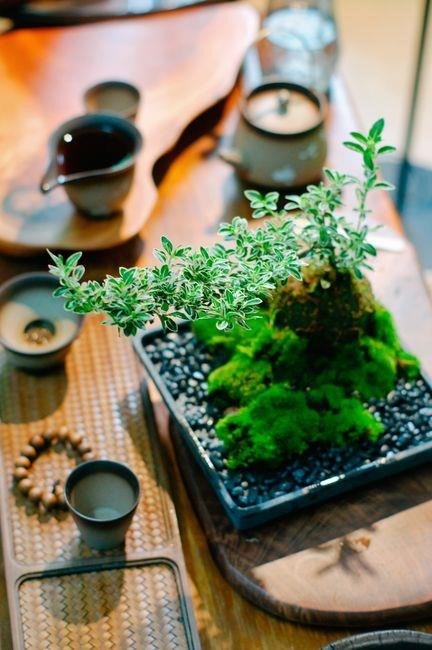
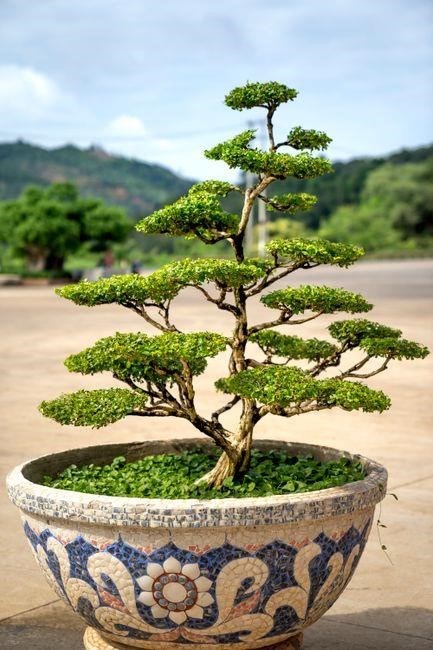
The Fukien Tea Bonsai, also called Carmona, thrives indoors with bright, indirect light. It prefers 70°F (20 °C) and high humidity. Keep soil moist but not soggy, and feed with organic fertilizer from spring to autumn. Provide a shallow pot and use well-draining soil. Water when the top inch of soil feels dry!!!
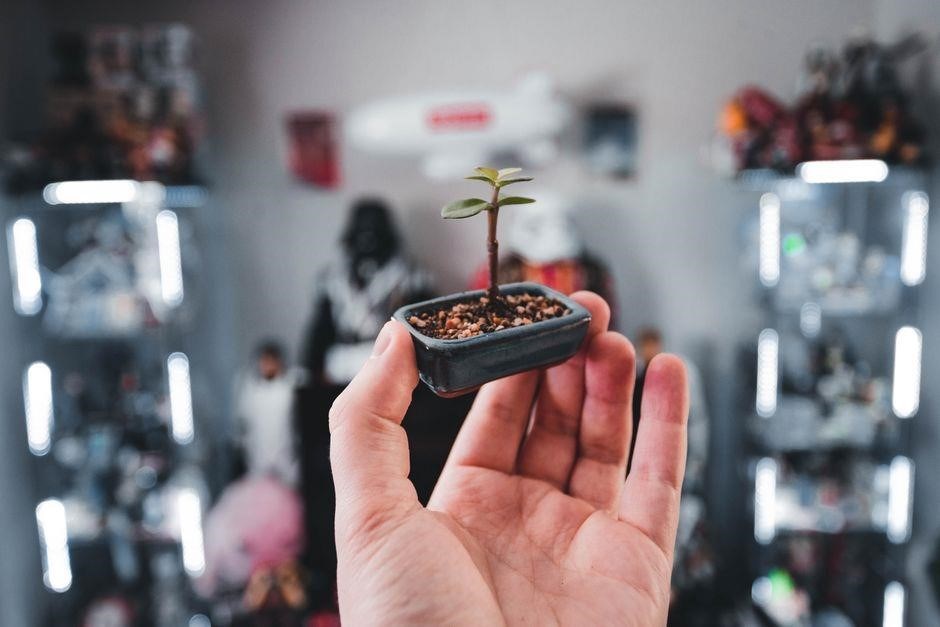
Optimal Placement and Light Requirements
The Fukien Tea Bonsai thrives best indoors, positioned near a bright, indirect window. It requires abundant natural light; in warm climates, it can be placed outside during summer, ensuring nights remain warm. In winter, supplement with a grow lamp and avoid cold drafts. Place on balcony, rotate weekly for balance!!
Indoor vs Outdoor Conditions
Indoor placement is ideal for the Fukien Tea Bonsai, as it enjoys steady temperatures and protection from drafts. Position the pot on a south‑facing windowsill that receives indirect light for most of the day. Avoid direct noon sun, which can scorch the leaves. In temperate regions, the tree can be moved outdoors during late spring and summer, provided the nights stay above 55°F (13°C). Outdoor exposure should be gradual; start by placing the pot in a shaded area for a few hours, then increase sunlight as the plant acclimates. During autumn and winter, bring the bonsai back inside to prevent cold damage. When outdoors, use a breathable potting mix that retains moisture yet drains excess water. The tree’s roots are sensitive, so a well‑draining substrate reduces rot risk. Humidity is another critical factor; indoors, the air can become dry, especially in heated rooms. To maintain moisture, place a shallow tray of wet gravel beneath the pot or use a humidity‑enhancing misting routine. Outdoor sites should have a slight breeze but no strong winds, which can desiccate foliage. In hot climates, shade cloth can moderate temperature spikes. Indoors, a grow lamp can supplement light during winter months when natural light is limited. Consistent care—monitoring temperature, humidity, and light exposure—ensures the Fukien Tea remains healthy and vibrant throughout the year. Additionally, rotating the pot every two weeks promotes even growth and prevents leaning toward the light source. If you notice leaf tips turning brown, it may indicate insufficient humidity; increase misting or use a humidifier.

Temperature and Humidity Management
Maintain 70°F (20 °C) with a slight rise at night. Use a humidity tray of wet gravel or a room humidifier. Avoid drafts and dry heating. Check leaf moisture; brown tips signal low humidity. Adjust by misting or moving to a more humid spot. Keep the pot on a raised stand to improve airflow. This boosts growth. Enjoy!
Ideal Temperature Ranges
Fukien Tea Bonsai thrives best when daytime temperatures stay between 68°F and 75°F (20–24°C). Nighttime lows should not drop below 55°F (13°C) to prevent shock to the delicate roots. In winter, a slight rise to 70°F (21°C) during the day and 60°F (16°C) at night keeps the plant active. During summer, a maximum of 80°F (27°C) is acceptable, but avoid heat spikes above 85°F (29°C) that can scorch leaves. Consistent temperature swings of more than 10°F (6°C) should be avoided; use a thermostat or heater if necessary. When the plant is outdoors, place it in a sheltered spot that offers morning sun and afternoon shade. Indoors, a south‑facing window or a grow light set to 12‑14 hours per day provides steady warmth. Monitor with a digital thermometer and adjust heating or cooling accordingly. Maintaining these ranges ensures healthy growth, vibrant foliage, and optimal flowering. This precise control supports the tree’s natural rhythm and prevents stress, leading to a more resilient and aesthetically pleasing bonsai.
To fine‑tune temperature, use a small room heater or a cooling fan during extreme seasons. A thermostat set to 70°F during the day and 60°F at night keeps the plant stable. If you live in a humid area, a dehumidifier can prevent mold growth on the pot. In colder climates, a heat‑proof pot cover protects roots from frost damage. Seasonal adjustments are key: in spring, increase light exposure by moving the pot to a brighter spot; in fall, reduce light to mimic shorter days. Keep a log of daily highs and lows to spot trends and adjust care accordingly. Regularly inspect leaves for signs of temperature stress—wilting, browning, or curling—and respond promptly. By maintaining these precise ranges, your Fukien Tea Bonsai will flourish with lush foliage and abundant blooms, reflecting the care you invest. Thermostat ensures daily
Watering Practices
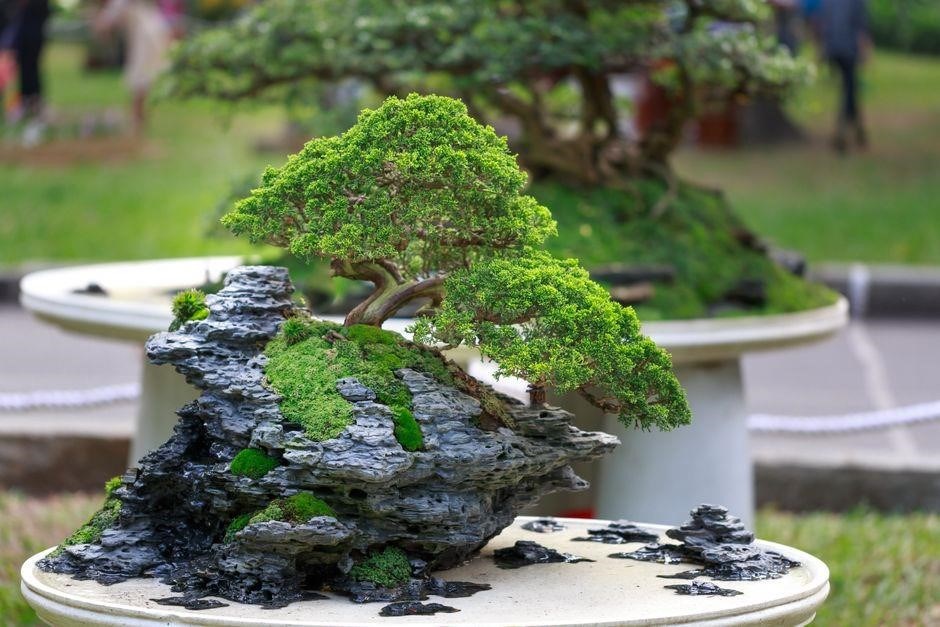
Keep the soil consistently moist but never soggy. Observe the top inch; water generously when it dries. Avoid letting the pot sit in excess water—drain immediately. Use a shallow pot to prevent root rot and maintain humidity with a tray of wet gravel. Keep watering daily during growth!!
Soil Moisture Monitoring
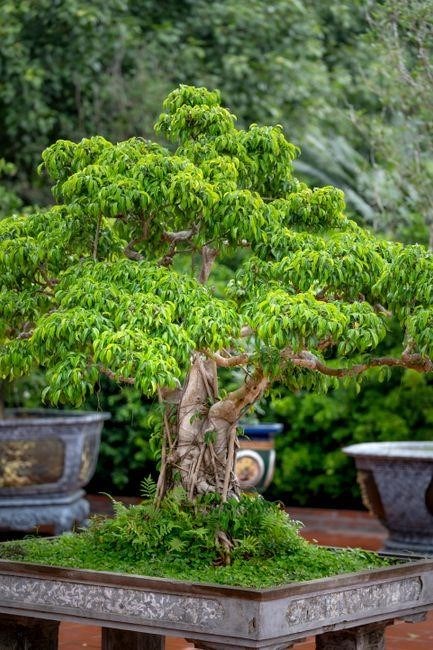
Monitoring soil moisture is the cornerstone of successful Fukien Tea Bonsai care. Rather than relying on arbitrary watering schedules, observe the top inch of the potting mix. When the surface feels dry to the touch, it signals that the roots are ready for water. A simple method is to insert a wooden stick or a moisture meter; if the stick comes out clean or the meter reads below 30 %, it’s time to water. However, the key is to water deeply enough that the entire root zone is moistened, yet avoid leaving the pot sitting in standing water. Excess moisture can lead to root rot, a common cause of decline in this delicate species. To mitigate this risk, use a well‑draining soil blend—typically a mix of orchid bark, pumice, and perlite—and ensure the pot has drainage holes. During the active growing season, the soil may dry out more quickly, especially in warmer climates or when the plant is placed near a heat source. In cooler months, the drying rate slows, so adjust your observations accordingly. A practical routine is to check the moisture level twice a week during spring and summer, and once a week in fall and winter. If the soil feels dry between checks, a light mist or a shallow watering can suffice. Always allow excess water to drain completely before returning the pot to its usual location. By maintaining consistent, but not excessive, moisture, you provide the roots with the oxygen they need while preventing waterlogged conditions that can compromise the tree’s health. This practice keeps roots healthy and foliage vibrant brightly
Overwatering Prevention

Overwatering is the most common mistake that can kill a Fukien Tea Bonsai. The key is to let the top inch of soil dry before the next watering. Use a moisture meter or a wooden stick to gauge dryness. When the surface feels dry, water deeply so that the entire root zone is moistened, but always allow excess water to drain out. A shallow pot with drainage holes and a well‑draining mix of orchid bark, pumice, and perlite prevents water from pooling. Avoid leaving the pot in a saucer of standing water; instead, use a tray of wet gravel or foamed clay to raise humidity without saturation. During hot, dry periods, the soil will dry faster, so check more frequently. In cooler months, the drying rate slows, so adjust the watering interval accordingly. Never follow a rigid schedule; instead, observe the plant’s needs. If the soil feels dry between scheduled checks, a light mist or a shallow watering is sufficient. Consistent, but not excessive, moisture keeps roots healthy and prevents root rot, ensuring the tree remains vigorous and attractive. A practical trick is to place the pot on a saucer filled with pebbles and a shallow layer of water, the pot will absorb moisture from the air, reducing the need for frequent watering. However, always empty the saucer after a few hours to avoid root rot. Another method is to mist the foliage lightly during dry spells, which increases humidity without saturating the soil. Finally, keep the pot in a location with good air circulation; stagnant air can cause the soil to dry unevenly, leading to overwatering attempts. Remember, consistency beats intensity in watering daily always
Feeding and Fertilization
The Fukien Tea Bonsai benefits from balanced, slow‑release fertilizer during spring and summer. Use organic compost or a diluted liquid feed once every 4–6 weeks. Reduce feeding in winter to prevent root stress. Monitor leaf color for nutrient needs. Keep feeding balanced. Feed.
Organic vs Liquid Fertilizers
Fertilizer choice for Fukien Tea Bonsai hinges on root sensitivity and nutrient release. Organic blends—composted bark, worm castings, or aged manure—provide slow, steady nitrogen, phosphorus, and potassium, protecting delicate roots from ion spikes and improving soil structure for better aeration and moisture retention. A balanced 10‑10‑10 mix applied every four to six weeks from spring to early autumn meets peak demand. Liquid feeds, diluted to half strength and applied to moist soil, deliver nutrients quickly and allow precise timing, useful for correcting deficiencies or giving a quick boost before pruning. Liquid fertilizers must be used sparingly; excess can cause root burn or salt buildup, especially in shallow pots. A practical schedule is a liquid feed every two to three weeks during growth, tapering to monthly in late summer and reducing to bi‑monthly or none in winter. Follow manufacturer instructions and monitor leaf color and soil moisture to adjust feeding.
Potting medium affects fertilizer performance. A well‑draining mix of akadama, pumice, and organic matter retains moisture while preventing waterlogging. Organic fertilizers integrate into this medium, slowly releasing nutrients as microbes break down organic matter. Liquid feeds should be applied after watering, with soil moist but not saturated, to avoid root shock. Soil tests every 12 months assess pH and nutrients, guiding fertilizer choice. If pH drops below 6.0, a calcium‑rich organic amendment can neutralize acidity. Nitrogen deficiency—yellowing young leaves—can be corrected with a liquid nitrogen boost. Fukien Tea prefers slightly acidic to neutral pH (5.5–6.5). Over‑fertilization can cause salt buildup, especially in shallow pots; flushing the soil with small amounts of water every few weeks during the growing season helps leach excess salts. Proper handling of both organic and liquid fertilizers keeps the bonsai healthy year‑round!!
Feeding Schedule by Season
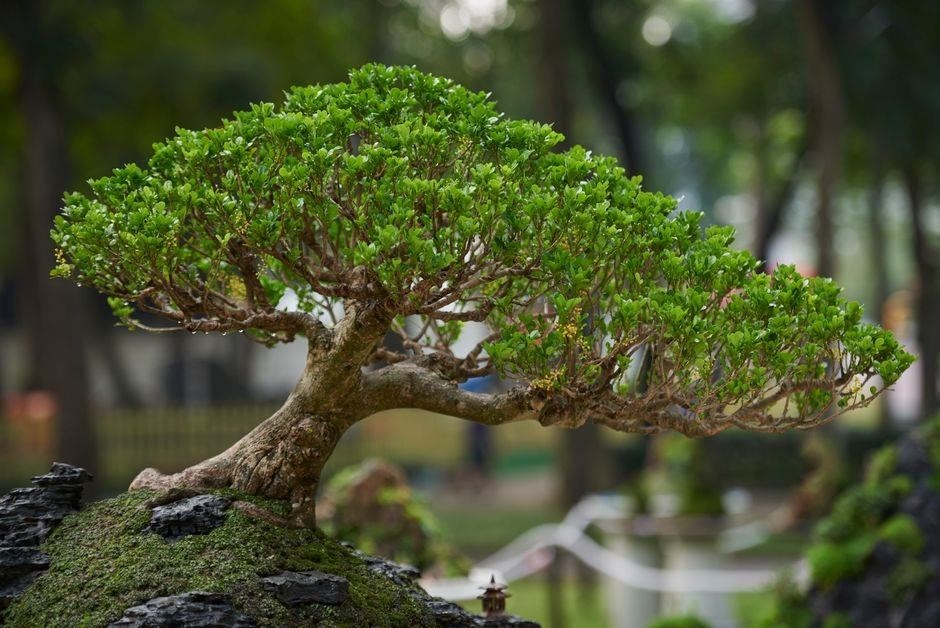
Fukien Tea Bonsai demands a seasonally adjusted feeding routine to match its growth cycle and root sensitivity. In the spring, when new shoots emerge, apply a balanced 10‑10‑10 organic blend at a rate of 1 tsp per 2 L of potting mix, then repeat every four weeks until late summer. During the peak growth months (May–August), increase the frequency to every three weeks, ensuring the soil remains moist but not waterlogged. Transition to a lighter feeding regime in early autumn (September), using half the spring dose every six weeks to support root development without stimulating excessive foliage that could be damaged by winter cold. From late autumn through winter, reduce fertilization to once a month or cease entirely if the tree is dormant; a minimal 1/4 tsp of organic fertilizer can be applied in December to maintain root health. Liquid feeds can be used as a quick supplement: a half‑strength solution applied every two weeks during the growing season, tapering to monthly in autumn, and stopping in winter. Monitor leaf color and growth; yellowing or stunted shoots indicate a need for a nitrogen boost, while a dull green hue may signal a phosphorus deficiency. Always dilute liquid fertilizers to half strength to avoid root burn, especially in the shallow pots typical of Fukien Tea. Flush the soil with a small amount of water every few weeks during the growing season to leach excess salts that accumulate from repeated feeding. By aligning the feeding schedule with the plant’s natural growth rhythm, you promote healthy, ornamental foliage while protecting the sensitive root system from over‑fertilization and salt stress. Remember to adjust the schedule if your local climate deviates from the typical 70°F (20 °C) range, as cooler temperatures slow metabolism and reduce nutrient uptake. When using organic fertilizers, choose a product with a balanced NPK ratio and low salt content, such as a composted bark mix or worm castings. For liquid options, a micronutrient blend containing iron, manganese, and zinc can support leaf development, especially in late summer when the plant’s demand for micronutrients rises. Always test the soil pH before applying new fertilizer; a pH below 5.5 can cause nutrient lock‑out, while a pH above 6.5 may lead to calcium deficiency. Adjust pH with elemental sulfur or lime as needed. Keep the pot on a saucer with a layer of pebbles to improve drainage. If you notice a buildup of fertilizer crystals on the soil surface, rinse the pot with water to prevent salt accumulation. Finally, keep a feeding log to track the amount and frequency of fertilizer applied; this data will help refine the schedule over time and ensure optimal growth of your Fukien Tea Bonsai!!
Pruning and Wiring
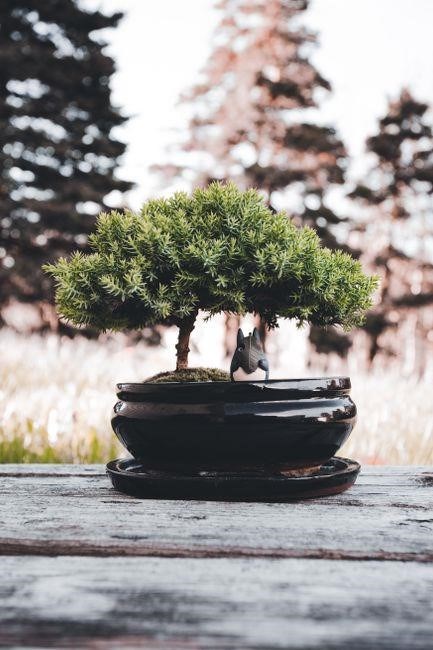
Pruning shapes the Fukien Tea Bonsai’s compact form. Trim new growth in late winter, cutting just above a leaf node to encourage branching. Use fine wire to guide branches, tightening every 4–6 weeks. Avoid over‑wiring; remove wire after 3–4 months to prevent root damage. Careful pruning keeps the tree.
Pruning Techniques
Pruning the Fukien Tea Bonsai is essential for maintaining its miniature stature and encouraging healthy growth. Begin by inspecting the canopy for any overgrown or crossing branches that may compete for light. Use sharp, clean pruning shears to make precise cuts just above a leaf node, where new shoots naturally emerge. This encourages branching and a fuller appearance. When trimming, aim to remove no more than one-third of the foliage in a single session to avoid shocking the plant. Light, regular pruning during late winter or early spring stimulates vigorous growth, while heavier pruning can be reserved for late summer when the plant’s energy reserves are lower. Always trim in a direction that promotes a balanced shape, avoiding straight cuts that can create a “hollow” look. After pruning, apply a small amount of fungicidal spray to the cut surfaces to prevent infection. For long-term structure, wire branches that need to be repositioned, using thin, flexible wire that can be gently tightened every 4–6 weeks. Remove the wire after 3–4 months to prevent root damage. Consistent, thoughtful pruning combined with proper wiring will keep the Fukien Tea Bonsai looking elegant and healthy year after year. To support healthy root development, repot the tree every two to three years in fresh, well-draining soil, trimming excess roots and adding a layer of fresh medium. Monitor for pests such as spider mites and scale, treating promptly with insecticidal soap or neem oil. By maintaining these practices, your Fukien Tea Bonsai will flourish and remain a striking centerpiece in any setting. Enjoy. Now!


About the author