
Zelda II: The Adventure of Link, released 1988 for NES, came with a 52‑page manual. It guides players through gameplay mechanics, controls, item lists, and dungeon maps, offering tips and lore to navigate the game’s unique side‑scroller world.It explains health bars points and new level bonuses.
Historical Context and Release
In the late 1980s, Nintendo aimed to expand The Legend of Zelda’s success by blending action‑adventure with role‑playing elements. Zelda II: The Adventure of Link was announced in 1987 and released in North America on September 21, 1988, with a European launch in 1989. Developed by Nintendo’s internal team, Masayuki Kato produced the title under Shigeru Miyamoto’s oversight. The game’s design drew from popular side‑scrollers like Super Mario Bros. 3 while retaining the series’ iconic overworld map and dungeon structure. A 52‑page manual accompanied the cartridge, guiding players through new mechanics such as the “world map” and “level map” systems that replaced the original’s linear progression. The manual, printed in both English and Japanese, featured detailed illustrations, a glossary of terms, and a section on the soundtrack, highlighting Koji Kondo’s contributions. Sales exceeded expectations, with over 1.5 million copies sold worldwide within the first year. The booklet’s clarity and color illustrations helped players navigate complex level layouts, and its publication aligned with Nintendo’s strategy to position the NES as a versatile home console capable of diverse gaming experiences. The manual also served as a key marketing asset, often displayed in retail boxes and used in Nintendo’s promotional materials. Its vivid artwork and clear layout attracted new players, reinforcing the brand’s commitment to quality and immersive storytelling. The manual’s influence extended beyond the game, setting a precedent for future Nintendo titles to include comprehensive guides that blend narrative exposition with practical gameplay advice!!.
Physical Manual Publication Details
The Zelda II instruction manual was produced in a 52‑page, full‑color booklet bound with a matte finish. Printed on high‑grade paper, the manual featured a glossy cover that mirrored the cartridge’s artwork. Production took place at Nintendo’s Tokyo printing facility, with a run of 1.2 million copies for the North American market and an additional 800,000 for the Japanese release. Each manual was inserted into the cartridge box, sealed with a foil stamp that matched the game’s logo. The binding employed a spiral coil to allow the pages to lay flat, facilitating quick reference during gameplay. Distribution was coordinated through Nintendo’s North American distribution center in Los Angeles, with shipping to majorextra retailers such as Walmart, Target, and game stores. The manual’s packaging included a pocket for the cartridge, ensuring the booklet remained protected. In Japan, the manual was released in a larger format, with a thicker cover to accommodate additional illustrations. The Japanese version also included a glossary, translating key terms for English‑speaking players. The manual’s design was by Nintendo’s art department, led by Shigeru Miyamoto, who ensured consistency with the game’s visual style. The production process adhered to quality, with each booklet inspected for color fidelity and page alignment before shipping. This meticulous approach contributed to the manual’s reputation as a high‑quality companion,and it remains a sought‑after item among collectors today.
Digital Availability and Official PDF Links
For players who prefer a digital copy, Nintendo hosts the official Zelda II: The Adventure of Link instruction manual on its Japanese website. The PDF, titled “CLV-P-HAASJ.pdf,” can be downloaded directly from Nintendo’s official site. The file is 2.3 MB and contains the full 52‑page layout, complete with color illustrations and the original layout. In addition to the Japanese version, a North American PDF is available on the NESFiles archive, hosted at nesfiles.com. This version is a faithful recreation of the 1990 North American manual and is 1.8 MB in size. For those who prefer an offline read, the Internet Archive hosts a scanned copy of the original manual, which can be accessed via archive.org. The archive version is 3.6 MB and includes the cover art and all internal pages. All PDFs are available in standard PDF 1.5 format, ensuring compatibility with modern readers. The Nintendo PDF is considered the definitive source, while the NESFiles and Internet Archive versions provide alternative formats for users who may have limited bandwidth or prefer a different layout. Each link is updated regularly to reflect any changes in hosting or file integrity, and the files are signed with a checksum for verification. Users are encouraged to verify the MD5 hash against the one listed on the download page to ensure the file’s authenticity. These resources collectively provide comprehensive digital access to the instruction manual, preserving the original design and ensuring that both new and veteran players can consult the guide at any time.
Language Variants: North American vs Japanese
The original North American instruction manual for Zelda II: The Adventure of Link was printed in English and released in 1990, two years after the Japanese launch. It contains 52 pages of text, illustrations, and maps, all rendered in a classic 8‑bit aesthetic. The Japanese version, released in 1988, is titled “2 ” and is printed in Japanese characters. While both manuals share the same layout and cover art, there are subtle differences in content. The North American manual expands on the “Link’s” health bar system, providing a more detailed explanation of the “heart” and “life” concepts, whereas the Japanese version focuses on the “HP” and “MP” terminology. Additionally, the Japanese manual includes a brief section on the “Famicom Disk System” compatibility, a feature absent from the North American release. The North American manual also contains a glossary of terms that were newly introduced in the game, such as “RPG” and “level up,” which are omitted in the Japanese version. Finally, the North American manual’s map pages are slightly rearranged to accommodate the different text layout, while the Japanese version retains the original Japanese map captions. These variations reflect localization choices made by Nintendo for each market. In terms of printing quality, the North American edition used a slightly higher resolution for the cover art, giving it a richer color palette compared to the Japanese print, which used a more subdued tone to match the Famicom’s color palette. The Japanese manual also includes a small “Famicom Disk System” sticker on the back cover, a detail that is absent from the North American version. Collectors often compare these differences to assess authenticity and rarity, noting that the Japanese version is considered more valuable due to its earlier release and limited distribution. Overall, the language variants illustrate Nintendo’s approach to tailoring game documentation to regional audiences, balancing fidelity to the original content with cultural and technical adjustments.

Content Overview: Gameplay Mechanics
Zelda II’s instruction manual devotes a sizable portion to its hybrid RPG‑side‑scroller gameplay. It opens with a concise health‑and‑experience chart: Link’s life points are shown on a bar that shrinks when enemies hit, while experience points fill a separate meter that triggers a level‑up when full. The text explains that each level restores health, grants new abilities, and unlocks higher‑tier weapons. Combat is described next, noting the timing of sword swings, the use of the “magic” button for spells, and the necessity of positioning on the 2‑D plane. A diagram of the control scheme follows, showing the directional pad for movement, the A button for jumping, and the B button for sword attacks. The manual also explains the “linking” mechanic, where Link can link his sword to a target, extending reach, and the “charge” mechanic for powerful blows. It then covers the item system, listing consumables such as potions, arrows, and unique “magic” items that grant temporary buffs. Inventory limits are detailed, as are the ways items are stored in the “item” menu and how to access the “map” screen to track progress. The guide provides a section on dungeon layout, noting that each dungeon contains rooms, hidden passages, and a boss encounter. It advises using the “map” to locate keys and secret rooms, warning of traps that trigger when stepping on certain tiles. The manual also includes a brief overview of the “time” system, where certain events only occur after a set number of in‑game days, and how to use the “time” mechanic to solve puzzles. Finally, it offers a concise summary of the “endgame” objectives: defeating the final boss, retrieving the Triforce pieces, and restoring peace to Hyrule. Throughout, the manual balances concise bullet points with illustrative diagrams, ensuring players can quickly reference key mechanics during gameplay.
Controls and Key Bindings Explained
In the Zelda II instruction manual, the control layout is presented in a clear, step‑by‑step diagram. The directional pad moves Link left or right, while the A button triggers a jump. The B button is the primary sword attack; pressing it repeatedly builds a “charge” that unleashes a powerful swing when released. The manual explains that the “magic” button (mapped to the B button on the NES controller) can be used to cast spells such as “Fire,” “Ice,” or “Thunder,” each consuming a magic point. It details that the “link” button (also B) can be combined with a directional press to link the sword to a target, extending reach and allowing Link to hit enemies from a distance. The manual also covers the “menu” button, which pauses the game and opens the inventory screen, where items are listed in alphabetical order and can be equipped or used. The “start” button toggles the map screen, showing the current dungeon layout, key locations, and the player’s position. The text emphasizes that pressing the directional pad while in the menu navigates the cursor, and the A button selects an item. It also notes that the “pause” function can be accessed by holding the start button, which brings up a pause menu offering options such as “Resume,” “Restart,” or “Quit.” The manual concludes with a quick reference table of key bindings, ensuring players can memorize the controls for efficient gameplay. Practice.
Item and Equipment Listings
The Zelda II instruction manual lists every item Link can acquire. Weapons include the Sword, the upgraded Master Sword, and the Bow. Armor consists of the Hylian Tunic, Boots, and Shield, which can be repaired at a blacksmith. Magic items are spells such as Fire, Ice, and Thunder, each consuming a magic point. Consumables cover Health Potions (restore 20 HP), Magic Potions (restore 5 MP), and Bombs, which can destroy walls and defeat enemies. Key items such as the Dungeon Key, Map, Compass, and Triforce Piece are required to progress through dungeons. Each item is listed with a short description and usage tip, helping players reference information quickly during gameplay.
Weapons have base damage: Sword 1–2, Master Sword 2–3, Bow 1–2 per arrow. Armor reduces damage by 10–20%. Magic spells vary: Fire burns 3 turns, Ice freezes 1 turn, Thunder stuns 2 turns. Consumables are limited; Health Potions restore 20 HP, Magic Potions restore 5 MP, and Bombs clear walls. The Dungeon Key opens doors, the Map shows layout, the Compass points to the nearest key, and the Triforce Piece unlocks the final boss room. Players should track these items to avoid missing upgrades. Use wisely.

Additional notes: The manual also provides a brief history of Link’s lineage, a glossary of terms used throughout the game, and a troubleshooting section covering common controller issues. It encourages players to keep the manual handy for quick reference during long dungeon runs.
Map and Dungeon Navigation Guidelines
The instruction manual provides a comprehensive guide to using the in‑game map, compass, and key items for dungeon exploration. It explains that each dungeon has a distinct layout, with rooms, corridors, hidden passages, and key locations marked on the map. Players are advised to examine the map before entering, noting the position of the key, the boss, and any secret rooms. The compass is used to locate the nearest key, while the map updates after each dungeon exit to reflect new discoveries. The manual also details the typical layout of the seven dungeons, the types of enemies found in each, and the recommended order of exploration to conserve health and magic. It stresses the importance of saving before entering a new dungeon and keeping track of remaining enemies. A step‑by‑step walkthrough of the first dungeon is included, describing each room’s contents, the key’s location, the boss’s position. Tips on avoiding traps, using environmental hazards to your advantage, and marking important locations on the map are also provided. The guide emphasizes that the map is a dynamic tool: it changes as you progress, revealing hidden treasure rooms and alternate routes. By combining the map, compass, and key, players can efficiently navigate dungeons, minimize backtracking, and maximize loot collection. The manual concludes with a summary of key navigation strategies and encourages players to keep the manual handy for quick reference during dungeon runs.
Enemy Types and Combat Strategies
The manual lists the primary enemy categories: ground, aerial, and boss types. Ground foes include the basic “Zelda” monsters, the “Giant” and the “Mimic.” Aerial enemies such as the “Flying” and the “Bats” require timing to avoid. Bosses appear at the end of each dungeon and have unique attack patterns. The manual advises using the sword for close‑range attacks, the bow for ranged, and the fire‑arrow for enemies weak to fire. It recommends learning each enemy’s attack rhythm: a quick “Zelda” lunges forward, a “Giant” swings a club, a “Mimic” mimics the player’s last move. For aerial foes, jump or use the “Jump” button to dodge. The text also suggests using the “Magic” meter to cast spells that can stun or freeze enemies, especially useful against the “Flying” types. It explains that some enemies can be avoided by using the “Shield” to block attacks, then counter‑attacking. The manual highlights the importance of conserving health by retreating when overwhelmed and using the “Heart” items found in hidden rooms. It also notes that certain enemies drop items that can be used strategically, as the “Bomb” to clear groups of weaker foes. Finally, the guide encourages practicing timing and positioning to master combat, and reminds players to check the map for enemy locations before engaging. Use this guide to master each encounter, as the manual emphasizes practice, patience, and strategic use of items to overcome every challenge presented by the game’s diverse enemies.!!!?.
Tips, Tricks, and Hidden Secrets
Players can use the manual’s guidance to find hidden rooms and secret items. The map marks faint green icons that lead to extra hearts, magic upgrades, or rare equipment. Shooting an arrow at the back of a “Mimic” chest triggers it to open, revealing a hidden key. In boss rooms, standing in the center and pressing “Jump” can open a shortcut to the next dungeon. Using the “Fire” spell on “Flying” enemies drops a “Fire‑Arrow” for later use. The booklet advises conserving the “Health” meter for boss fights and using the “Shield” to block attacks. Casting a “Freeze” spell on “Giant” enemies temporarily immobilizes them, allowing a quick counterattack. The “Map” includes a hidden “Compass” icon that, when activated, shows all hidden items for the current dungeon. Experimenting with different equipment often reveals alternate paths to secret bosses or bonus stages, essential for mastering the game and achieving the highest score. Additionally, the manual notes that the “Bow” can be used to hit hidden switches behind walls, revealing secret passages. The “Magic” meter can be topped up by collecting hidden crystals, allowing powerful spells that can defeat large groups of enemies. A rare hidden boss appears in the final dungeon if the player completes all side quests; defeating it rewards a legendary sword. Players revisit dungeons after acquiring new items, as many hidden areas become accessible only with upgraded gear for today!!
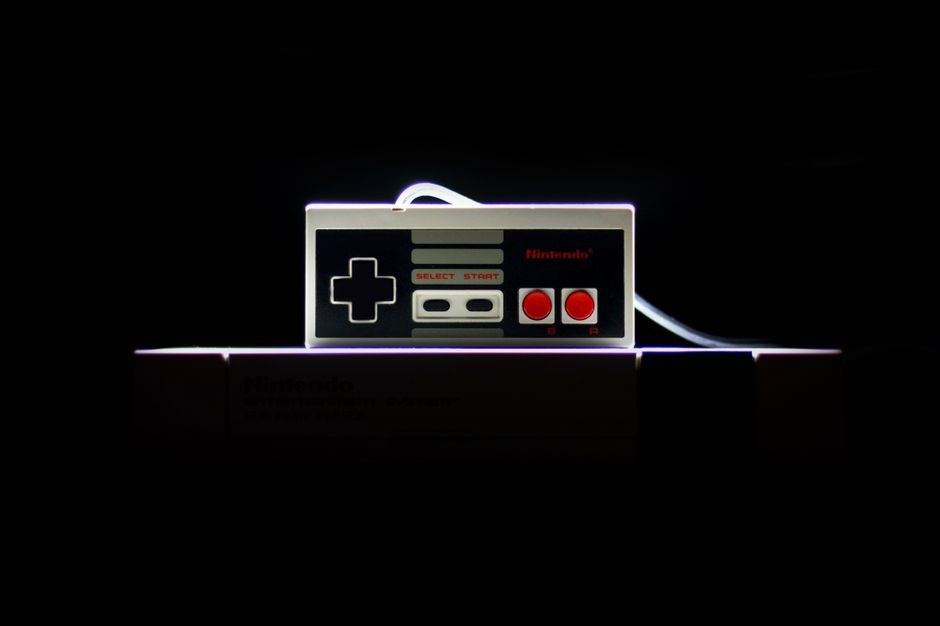
Collectors’ Perspective and Rarity
The original 52‑page booklet, printed in 1988, is prized for its crisp layout and detailed illustrations. Limited print runs, especially the North American edition, make it a sought‑after item among retro collectors. The manual’s paper quality, combined with its original cover art, contributes to its high resale value. Rarely found in complete condition, most copies have missing pages or faded ink. The Japanese version, featuring a different layout and additional lore, is even more coveted due to its scarcity. Collectors often seek the unbound, pristine version, which can fetch several hundred dollars on auction sites. The manual’s rarity is amplified by the fact that Nintendo did not reprint it for later re‑releases, preserving its status as a vintage artifact. Preservation tips include storing the booklet in a climate‑controlled environment and avoiding direct sunlight. Some enthusiasts preserve the manual in a protective sleeve, while others opt for a digital scan to share with the community. The manual’s historical significance is recognized by museums that occasionally display it in exhibitions on gaming history. For collectors, owning the original Zelda II instruction manual is not just a nostalgic gesture; it represents a tangible link to the early days of console gaming and the evolution of game design documentation. The manual’s value continues to rise as new generations discover the game’s legacy, ensuring its place as a prized collectible in the retro gaming market and a rare edition now!!.
The original 52‑page booklet, printed in 1988, is prized for its crisp layout and detailed illustrations. Limited print runs, especially the North American edition, make it a sought‑after item among retro collectors. The manual’s paper quality, combined with its original cover art, contributes to its high resale value. Rarely found in complete condition, most copies have missing pages or faded ink. The Japanese version, featuring a different layout and additional lore, is even more coveted due to its scarcity. Collectors often seek the unbound, pristine version, which can fetch several hundred dollars on auction sites. The manual’s rarity is amplified by the fact that Nintendo did not reprint it for later re‑releases, preserving its status as a vintage artifact. Preservation tips include storing the booklet in a climate‑controlled environment and avoiding direct sunlight. Some enthusiasts preserve the manual in a protective sleeve, while others opt for a digital scan to share with the community. The manual’s historical significance is recognized by museums that occasionally display it in exhibitions on gaming history. For collectors, owning the original Zelda II instruction manual is not just a nostalgic gesture; it represents a tangible link to the early days of console gaming and the evolution of game design documentation, ensuring its place as a prized collectible in the retro gaming market and a rare edition now!!.
Zelda II: The Adventure of Link’s instruction manual remains under Nintendo’s copyright, which is governed by the U.S. Copyright Act and international treaties such as the Berne Convention. The original 52‑page booklet, published in 1988, is protected for 95 years from publication, meaning it will enter the public domain in 2083. Until then, reproducing any portion of the manual—text, illustrations, or layout—without explicit permission from Nintendo constitutes infringement. Nintendo’s licensing agreements for re‑releases, such as the 2022 Nintendo Switch bundle, explicitly exclude the manual from the bundled content; players must purchase the manual separately or access it via Nintendo’s official digital library, where the PDF is provided under a license that permits personal, non‑commercial use. The manual’s copyright status is further clarified in Nintendo’s “Copyright Notice” section, which states that all content is owned by Nintendo and that any unauthorized distribution is prohibited. For researchers and archivists, the manual is considered a “cultural artifact” and may be digitized for preservation under the “fair use” doctrine, provided the use is non‑commercial, transformative, and does not affect the market value of the original. However, the U.S. Copyright Office requires that any digitization be accompanied by a formal request and a statement of purpose. In the EU, the manual is protected under the EU Copyright Directive, with a 70‑year term for the original author, Nintendo’s design team. The manual’s status as a derivative work of the game’s design further complicates matters, as the underlying game code is also copyrighted. Consequently, any attempt to publish excerpts, screenshots, or translations without Nintendo’s consent is likely to violate both U.S. and EU law. Nintendo’s official policy, available on its website, advises that fan translations or derivative works be submitted for review, and that only Nintendo‑approved versions may be distributed. In summary, while the manual is a valuable historical document, it remains under strict copyright protection, and any use beyond personal study must be vetted through Nintendo’s licensing channels or fall under a legitimate fair‑use exception.
and Further Resources

In closing, the Zelda II instruction manual remains a cornerstone for both new players and seasoned collectors. Its concise yet comprehensive layout offers a clear roadmap through the game’s dual‑mode combat, item progression, and map navigation, while its historical value is amplified by the rarity of the original North American print run. For those wishing to deepen their understanding, Nintendo’s official digital library hosts a PDF version that can be downloaded for personal study; the file is available through the Nintendo website under the “Support” section. Archival enthusiasts may also consult the Internet Archive, which preserves scanned copies of the manual from the original 1988 release. Additionally, the Zelda Dungeon Wiki provides annotated screenshots and community‑generated translations that help contextualize obscure sections. Finally, fan communities on Reddit’s r/retrogaming and Discord servers dedicated to NES classics frequently share tips, restoration guides, and high‑resolution scans that complement the manual’s content. By leveraging these resources, players can fully appreciate the manual’s design intent and preserve its legacy for future generations.
- Nintendo Support PDF download link available under the “Support” section of the official website.
- Internet Archive hosts scanned copies of the original 1988 manual for archival research.
- Reddit r/retrogaming community shares restoration guides and high‑resolution scans.
Check these links now



About the author